Home Window Tinting: Privacy & Savings
By
Jacob
Published
February 6, 2026
Read Time
4 min read
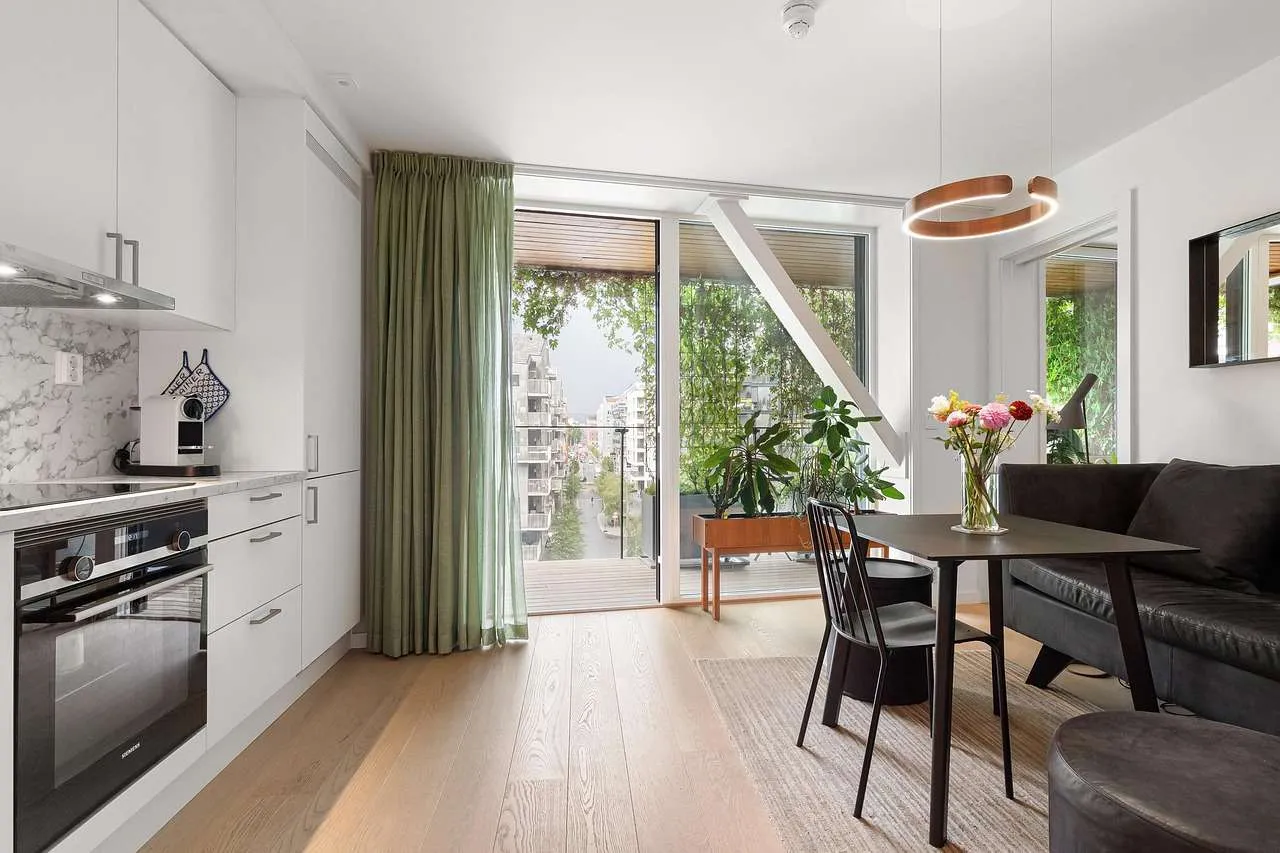
Investing in home window tinting can dramatically improve indoor comfort, protect furnishings from UV fade, and reduce energy use. This guide covers what home window tinting is, the benefits, how to choose the right film, installation considerations, cost ranges, and maintenance. It also explains how to work with licensed professionals to uphold EEAT standards of trust and expertise.
What is home window tinting?
Home window tinting refers to applying a thin film to the interior surface of glass windows. The film is designed to reject heat, block ultraviolet radiation, reduce glare, and provide privacy. Films come in various compositions, from dyed and reflective to ceramic and carbon-based options. Unlike a temporary window cling, a quality tint is a durable, optically clear layer that stays in place for years when professionally installed.
Key benefits of home window tinting
- Energy savings: By reflecting infrared heat and reducing heat gain, tint reduces the load on cooling systems in warm months.
- UV protection: Most films block 99% or more of ultraviolet rays, helping prevent furniture and flooring from fading.
- Privacy and glare control: A tinted film limits visibility from outside while preserving view from inside, especially at higher VLT levels.
- Safety and protection: Some films hold shattered glass together, reducing injury risk during impacts or storms.
- Aesthetics and resale value: Tinting offers a modern look and can improve curb appeal without replacing windows.
Choosing the right film for your home
Key factors to evaluate when selecting a film include light transmission (visible light transmittance, VLT), heat rejection, glare control, and color retention. Higher heat rejection films typically cost more but deliver greater comfort. Look for a film with a warranty and choose options appropriate for your climate and sun exposure.
Film types at a glance
- Dyed film: Economical, improves privacy, moderate heat rejection but may fade over time.
- Metalized film: Excellent heat rejection and strength, but can interfere with electronics and mobile signals in some installations.
- Ceramic film: High heat rejection, excellent clarity, does not contain metals, often the premium choice.
- Carbon or neutral-tone film: Balanced heat rejection, color stability, and non-reflective appearance.
Professional installation vs DIY
Professional installation ensures proper surface preparation, bubble-free application, and a warranty-backed result. DIY kits can be tempting for smaller panes, but improper tinting can cause bubbles, hazing, poor adhesion, or peeling. Licensed installers who carry insurance and offer manufacturer-backed warranties, possibly IWFA-certified, are typically the safest choice for long-term performance.
Costs, ROI, and maintenance
Costs depend on film type, window size, number of panes, and labor. Home window tinting can range from roughly 5 to 15 dollars per square foot installed, with ceramic and carbon films closer to the higher end. While initial expenses exist, energy savings and interior protection can offset costs within a few years, depending on climate and sun exposure. Maintenance is simple: rinse with a mild soap solution and a soft squeegee, avoiding abrasive cleaners that could dull the film.
Comparison of common film types
| Film Type | Heat Rejection | UV Protection | Privacy | Glare Reduction | Durability | Typical Cost (per sq ft installed) |
|---|---|---|---|---|---|---|
| Dyed | Moderate | Good | Variable | Moderate | Moderate | $3–$6 |
| Metalized | High | Excellent | Low to Moderate | Low (reflections) | High | $4–$8 |
| Ceramic | Very High | Excellent | High | High | Very Durable | $6–$12 |
| Carbon/Neutral | High | Excellent | High | High | High | $5–$10 |
Professional advice ensures you choose a film processing with low long-term maintenance and compatible with your windows and climate. Ensure the installer provides a written warranty and demonstrates the film's performance through visible-light transmission measurements and heat-rejection testing where available.
Maintenance tips include avoiding harsh cleaners, cleaning with a soft microfiber cloth, and inspecting the edges for signs of peeling during routine home maintenance checks. Periodic professional inspection can detect film edge separation or moisture intrusion behind the film, which reduces effectiveness and longevity.
Conclusion, Selecting the right home window tinting film, hiring a certified installer, and maintaining the film delivers comfort, energy savings, UV protection, and privacy, with a favorable return on investment while preserving home aesthetics.